
How to tell if a stock is being manipulated right now
You see a ticker ripping on no news. Or it’s tanking for no reason. Your first instinct might be “I’m early.” More likely, someone else is already late, and you’re the exit liquidity. Here’s how to read the tape and separate genuine movement from engineered noise.
Looking for practical takes on tell stock being manipulated? Here’s how we’re thinking about it this week.
The footprint of a pump-and-dump vs. organic breakout
Real breakouts have volume that builds steadily. A stock that goes from 200k shares to 2 million over three days? Normal. A stock that goes from 200k to 20 million in one hour, and you can’t find a press release or a sector catalyst. That’s your first red flag.
Pump-and-dump crews rely on urgency and scarcity. They push the price fast enough that retail chases it, then they dump into the bid. The tell: the volume spike is entirely front-loaded. By the time you see the price up 40%, the insiders are already flat or short.
Check the time & sales on level 2. If the bid is thin and the ask is thick, but the price keeps ticking up on small prints, that’s a painted tape. A real buyer absorbs size. A manipulator prints small trades to make it look like the stock is in play.
Stop hunts and fake breakouts, the pattern that repeats
Stop hunting is manipulation, even if it’s technically legal. A market maker or a large trader knows where the retail stops sit, usually just below a recent low or just above a resistance level. They push the price there, trigger the stops, then reverse hard.
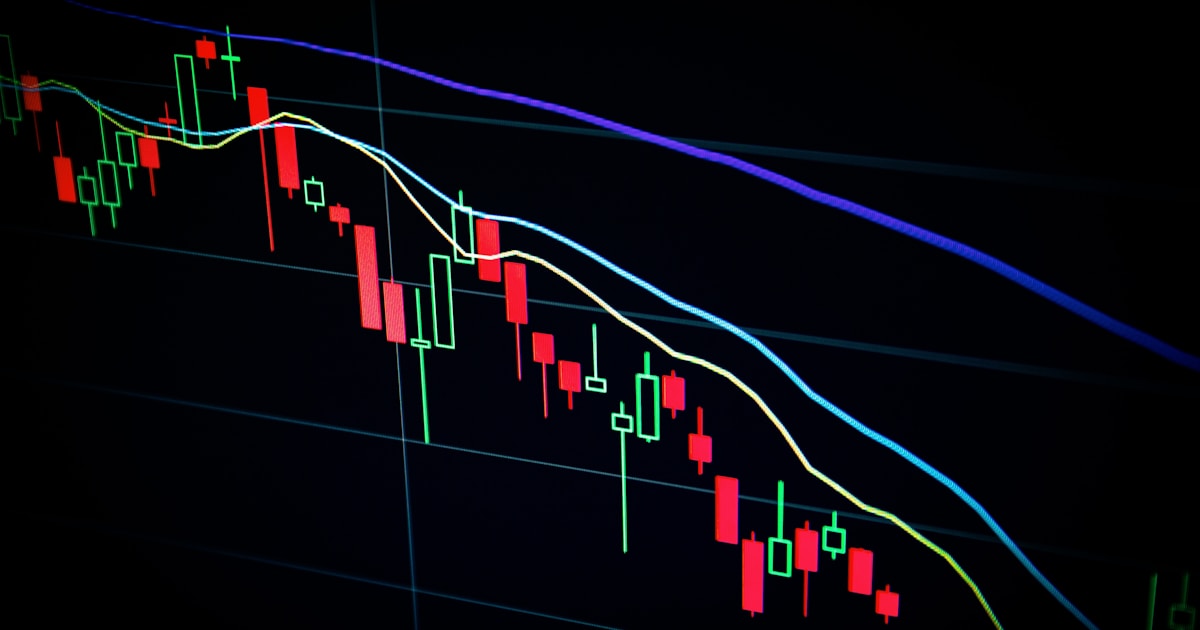
You can spot a stop hunt by looking at the wick. A long lower wick that closes near the high of the candle, on high volume, with no news? That’s a hunt. Someone took out the weak hands, bought the shares, and now the stock is running.
Same thing on the upside. A fake breakout pokes above a resistance level by a few cents, triggers buy stops and momentum chasers, then reverses in the same 15-minute bar. If the breakout candle closes below resistance, it’s a trap.
We track these patterns constantly at MoneyChoice Smart Lens. The system flags tickers where the volume profile doesn’t match the price action, and where the timing of the move smells like a setup rather than a catalyst.
The “no news” test and OTC red flags
Before you buy a moving stock, ask: Why is this moving? If you can’t answer in one sentence, don’t trade it.
Real catalysts are measurable. Earnings beats, FDA approvals, contract wins, guidance raises. Manipulation runs on “announcement pending” or “partnership rumors”, vague, unverifiable, time-sensitive.
OTC and small-cap stocks are the most fertile ground. The lower the float, the easier it is to move the price with a small amount of capital. If a stock has a float under 5 million shares and is up 200% on no volume, someone already owns the float. They’re just deciding the exit price.
A few specific red flags to watch:
- Volume surge from zero: a stock that traded 10k shares yesterday and 500k today, with no news, is not “discovered.” It’s marketed.
- Social media blast: same copy-paste message on Twitter, StockTwits, Reddit. Usually pumping a ticker with a low price and a story that sounds too good to be true.
- Wide spreads: if the bid-ask is 10%+ of the stock price, you’re being charged for the privilege of being the exit.
Our Capital track record is public for a reason. We publish timed price targets and let the market prove us right or wrong. Over the long run, we’re north of 80% accuracy, not because we guess, but because we focus on stocks where the next move is tied to a real catalyst, not a coordinated chat room.
What to do if you suspect manipulation
First, don’t fight it. If you’re holding a manipulated stock, the manipulator has more information, more capital, and faster execution than you. Trying to “outsmart” the dump is how you become the bagholder.
Second, size down. If you want to trade a potentially manipulated stock, keep your position small enough that a 50% gap-down doesn’t wreck your month. The risk/reward on manipulation trades is usually terrible. You’re betting that you can exit before the smart money does.
Third, check the catalyst window. If there is no earnings, no product launch, no regulatory decision in the next two weeks, the move is almost certainly noise. Wait for the pattern to break. If the stock holds above the manipulated level after the pumpers go silent, then you have a real base.
We use Smart Lens to generate price targets with specific time windows, not open-ended “buy and hope.” If we can’t pin a move to a catalyst and a date, we don’t put it in the lineup.
Quick questions
Can you detect stock manipulation in real time?
Partially. You can spot the symptoms, unusual volume, wide spreads, social media coordination, but you can’t always prove who’s behind it. The goal is to avoid being the exit, not to catch the perpetrator.
What’s the difference between a pump and dump and a normal rally?
Volume profile and catalyst. A normal rally builds volume over days and has a verifiable reason. A pump and dump spikes volume in hours, has no real news, and the price usually gives back 80% of the gain within two weeks.
Is it legal to manipulate a stock?
No. Pump-and-dump schemes are illegal. But stop hunting, spoofing, and painting the tape are harder to prosecute. The SEC goes after the most egregious cases, but most retail traders get hurt on moves that are legally questionable, not outright criminal.