
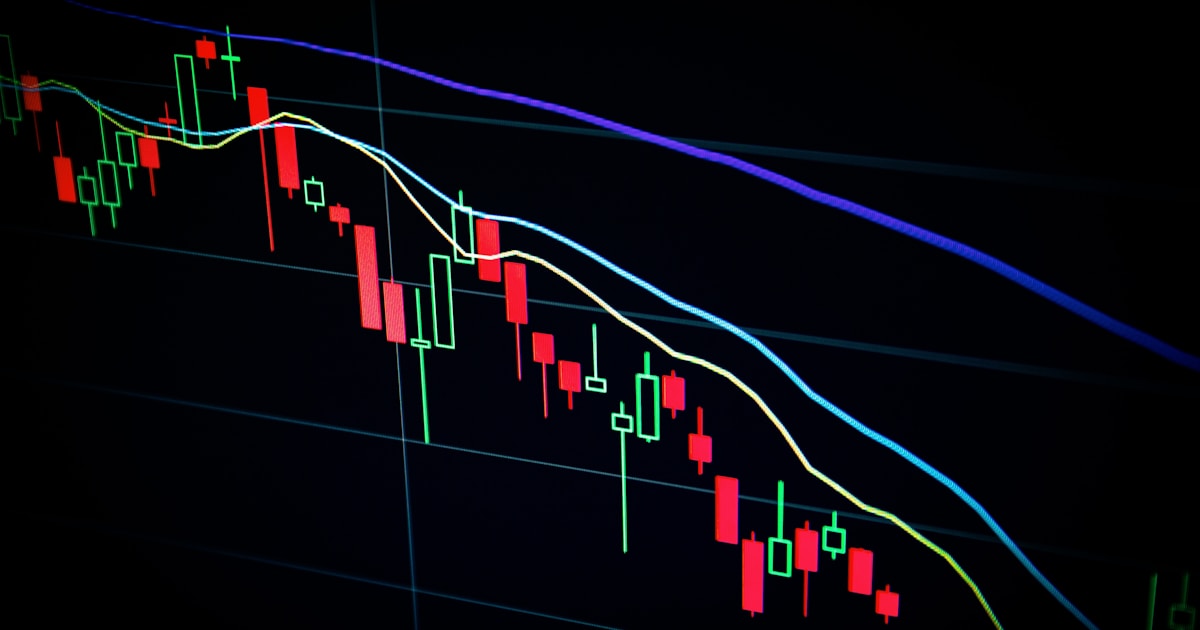
Why options traders buy calls only after checking for manipulation
You found a ticker that's ripping. Momentum looks great. You're about to buy a call, and then it dumps 15 minutes later. That's not bad luck. That's a manipulated move, and options traders who skip the check pay for it.
The call you buy is priced for perfection. Manipulation breaks that.
Options are a use game. A 3% move in the underlying can double or wipe out a call. That's the appeal, and that's the trap. When a stock moves on real news or institutional accumulation, the follow-through can last days. When it moves on a coordinated pump, paid promoters, fake volume, a headline that's more noise than signal, the move often reverses before you can exit.
This week (Aug 17–23, 2026) is a decent example. We're seeing a few small-caps with unusual volume spikes and no corresponding filings or news. Classic setup. A trader who checks the tape sees the red flags. A trader who doesn't buys the top.
The point isn't that every pump is a scam. Sometimes it's a legitimate breakout. But the risk/reward is asymmetric until you know which one you're in. A manipulated move can gap against you overnight. Your stop loss in the options chain might not fill anywhere near your trigger price.
What manipulation actually looks like when you're scanning for calls
You're not looking for conspiracy theories. You're looking for patterns that don't add up. Here are the four that matter most for options traders:
- Volume without footprint. Huge volume spike, but no news, no SEC filing, no insider buying. Someone is creating activity. Real institutional buying leaves traces, check unusual options flow, 13F filings, or at least a credible catalyst.
- Thin order books with wide spreads. If the bid-ask spread is 5%+ on the stock itself, the options chain is going to be worse. You're paying the manipulated price plus a liquidity premium. Bad combo.
- Price action that ignores obvious levels. A stock that blows through resistance on no news, then stalls immediately at a round number. That's often a scripted move, not a genuine breakout.
- Social media timestamps. If the pump posts line up with the volume spike to the minute, the move is coordinated. Real moves don't need a coordinated hashtag campaign.
We're less sure about the "whale watching" stuff, tracking large option orders in real time. It's noisy, and most retail traders don't have the tools to filter it properly. Skip that. Focus on the four above.
How timing and targets change when manipulation is in play
Here's where it gets practical. A genuine move has follow-through over days. A manipulated move has a half-life measured in hours. That changes your options strategy completely.
If you're buying calls on a clean breakout, you can hold overnight and let the move develop. Your 1–2 week target window makes sense because institutions accumulate over time. If you're buying calls on a manipulated move, you need to be in and out the same day. Overnight risk is death.
This is why we built our targets the way we did. At MoneyChoice Capital, we publicly log price targets with specific time windows, usually 1–2 weeks. That only works if the move is real. A pump-and-dump doesn't follow a target; it follows a script. When we run a Smart Lens manipulation check on a ticker, we're filtering out the names where a target would be meaningless.
Think about it this way: a call option's value is time decay plus directional bet. A manipulated stock accelerates the decay because the move reverses faster than theta burns. You're fighting two enemies instead of one.
What to do before you buy any call, a 5-minute checklist
You don't need a Bloomberg terminal. You need a few minutes and some discipline.
First, check the news calendar. Was there an earnings date, FDA decision, or contract announcement in the last 48 hours? If not, why is the stock moving?
Second, look at the daily chart for the last 10 sessions. Is the volume today 3x the average with a price spike that looks like a vertical line? That's suspicious. Legitimate accumulation looks like steps, not a cliff.
Third, check the options chain itself. If implied volatility is already elevated, say 80%+ IV rank, the call is priced for a big move. The stock has to move a lot just for you to break even. A manipulated stock rarely delivers that post-entry.
Fourth, if the move looks questionable, size down or wait. The best trade is often the one you skip. A missed call is a missed opportunity. A bought call on a manipulated stock is a guaranteed loss plus frustration.
We've been logging our targets publicly for a while now, long-run accuracy above 80% on the names we flag. That's only possible because we check for manipulation before we publish a direction. It's the filter that makes the target credible.
Quick questions
Can I really detect stock manipulation before buying calls?
You can spot the warning signs, unusual volume without news, wide spreads, coordinated social media pushes. You won't catch every manipulated move, but you'll avoid the obvious ones, and that's where most retail losses happen.
Is a manipulated stock ever a good call buy?
Rarely, and only for scalpers who can exit within minutes. For swing trades with a 1–2 week horizon, a manipulated move is a trap. The reversal usually comes faster than your target window.
What's the fastest check before buying a call?
Volume versus news. If volume is 3x average and there's no catalyst, don't buy the call. Wait for confirmation, a pullback that holds, or actual news that explains the move.
Quick questions
What should traders know about Why options traders buy calls only after checking for manipulation?
Start with the risk signals (volume, fake breakouts, AM flags), then decide whether your setup still has a clear price target and time window before you size up.
How does MoneyChoice help with options traders buy calls?
Use free Smart Lens to scan a ticker for artificial manipulation flags, then verify timed ideas on Capital or live ideas.
Is this investment advice?
No. These posts are educational market commentary. Trading involves risk, and past model hit rates do not guarantee future results.