
How to Check If a Stock Is Manipulated Before Calls
You're looking at a chart that went vertical, volume is enormous, and suddenly everyone on social media has an opinion about it. That's the moment to slow down and ask how to check if a stock is manipulated. Because manipulated names don't just burn long-term investors — they torch options traders. A pump that fades into a dump will kill your premium before the move you predicted ever shows up.
Looking for practical takes on check stock manipulated calls? Here’s how we’re thinking about it this week.
Why manipulation matters more for options than for shares
Buy a stock that gets pumped and dumped, you lose the move. Buy calls on it, you lose the move and the time value. Implied volatility on a manipulated name tends to run hot, which means you're paying up right before the thing inflating it goes away.
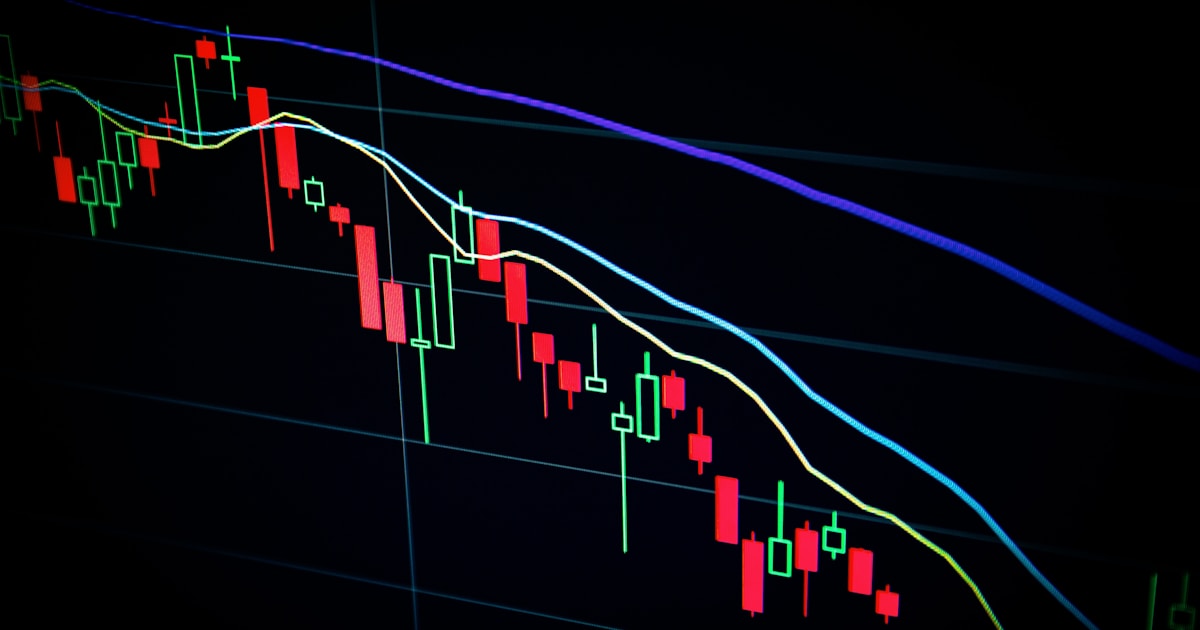
The tell is usually the same. Price action that doesn't match the story. The company hasn't said anything material — no earnings, no filing, no guidance change. But the stock is up 30% in three sessions on volume that's 10x normal. That's not a catalyst. That's positioning.
We've seen this on small caps, on low-float names, on crypto-adjacent equities, and now and then on mid-caps that get dragged into a theme. The mechanics shift. The footprint doesn't.
Four checks that actually filter manipulated setups
1. Look at volume against the float, not against yesterday
Volume "up 5x" means nothing if the float is huge. What matters is turnover relative to shares available to trade. A name with a 4 million share float doing 20 million shares in a day is a churn machine — the same shares getting flipped. That's where pump-and-dump lives.
Ignore the headline percentage. Check the float. If you can't find it in five seconds on your platform, that's already a yellow flag.
2. Read the tape during the last 30 minutes
Real catalysts hold into the close. Manipulated moves often get sold into the bell, because whoever was running it doesn't want overnight risk. If a stock is up 18% at 3:00pm and closes up 4%, the buyers weren't buyers. They were exits.
This is one of the highest-signal checks we use. Not perfect. But it filters a lot of garbage before you ever get to the options chain.
3. Check the options chain for weirdness
If the calls you're looking at have spreads wider than the premium, or open interest clustered on strikes that don't match any real thesis, you're not trading a market — you're trading someone's setup. Also watch for a sudden IV spike with no earnings or news behind it. That's often the pump reaching the derivatives.
4. Cross-check social and news flow for timing
If the stock is trending on Reddit or X after the move started, you're late to someone else's party. If it's trending before any real news, that's a manufactured narrative. Either way, it's not a setup you want to buy calls into with a one-to-two week window.
- Watch: float turnover, closing auction behavior, IV vs realized vol, unusual strike clustering.
- Ignore: raw volume percentage, "everyone's talking about it," single-day gap headlines with no filing behind them.
How Smart Lens fits into an options workflow
Running those four checks by hand takes time — and most traders skip them when they're excited about a setup. That's the gap Smart Lens was built to close. It's a manipulation check that runs before a call or put idea gets published, so you're looking at a ticker that already cleared the obvious red flags rather than one that just looks interesting on a screen.
Why that matters specifically for options traders: our ideas come with a direction, a ticker, and a one-to-two week target window. That structure only works if the underlying price action is real. A manipulated chart can hit a target for the wrong reason and reverse the next day. Smart Lens is the filter that keeps those ideas off the board in the first place.
It's not a guarantee. Nothing is. But it's a better starting point than a Twitter thread and a green candle.
What to do with a name you're not sure about
Three options, in the order we'd rank them.
Skip it. There's no shortage of tickers. If a stock fails two of the four checks above, you don't need to be a hero. Move on.
Size down hard. If you still want exposure, take a quarter of your normal position and use a shorter-dated contract so you're not paying for theta on a name that might not hold. This isn't a strategy — it's damage control for when you're tempted anyway.
Wait for the second day. Real moves with real catalysts tend to hold and add. Pumps tend to give back. If the thesis is real, waiting 24 hours costs you a little upside and saves you a lot of downside. For swing options traders with a one-to-two week window, that trade-off is usually worth it.
If you want to see how this plays out in practice, the Capital scoreboard is public — timed ideas, price targets, and time windows logged as they happen. The long-run accuracy claim sits above 80%. We're careful about how we say that: it's a track record, not a promise, and the manipulation check is part of why the ideas that make it onto the board tend to behave.
Not investment advice. Every position is your call, and sizing is the only risk control that never fails you.
Quick questions
How do I check if a stock is being manipulated before buying calls?
Start with float turnover, not raw volume. Then check where the stock closed relative to its high — a fade into the bell is a bad sign. Look at IV in the options chain for unexplained spikes, and check whether social chatter started before or after the move. Two or more red flags means pass, or size down hard.
What are the biggest pump-and-dump warning signs for options traders?
Low float, huge volume, no real news, IV jacked up for no reason, and a move that fades into the close. If the calls you're looking at have wide spreads or odd open interest clustering, that's the setup reaching the derivatives — get out of the way.
Is there a free tool to detect stock manipulation?
You can do a decent first pass for free: float data, closing auction behavior, and the options chain are all visible on most brokers. Smart Lens is a more structured check that runs before an idea gets published, which is useful if you don't want to build the whole process yourself. Different tools, different jobs.